

Running Assessment
Run Smarter. Stay Healthy. Keep Running.
Running is simple but it demands from the body. Whether you’re training for your first 5K, returning from injury, or trying to improve performance, a running assessment can help you understand how you run, why certain aches keep showing up, and what to do about it.
At Brockton Physiotherapy, our physiotherapists and chiropractors provide comprehensive running assessments designed to help runners of all levels move better, reduce injury risk, and feel more confident in their training.
What Is a Running Assessment?
A running assessment is a detailed, movement-based evaluation of how your body handles the demands of running. Instead of guessing or relying on generic advice, we look at you and your movement patterns, strength, mobility, running mechanics, and training habits.
There is no single “perfect” running form. Our goal isn’t to overhaul how you run but rather it’s to identify opportunities to improve efficiency, reduce stress on tissues, and support your goals.
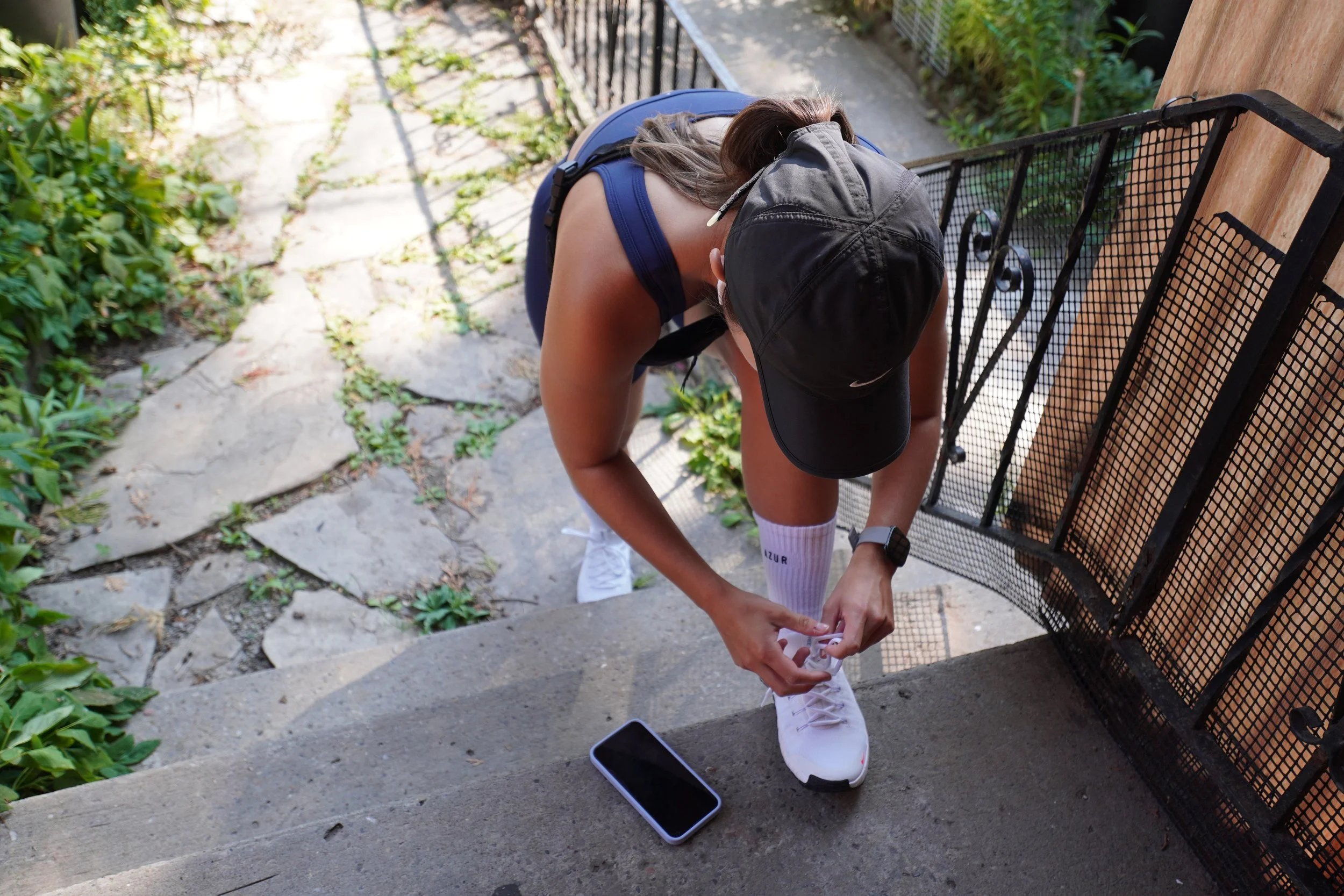
Who Is a Running Assessment For?
New runners looking to build a solid foundation
Runners dealing with recurring injuries (knee, hip, foot, Achilles, low back)
Athletes returning to running after time off or injury
Runners training for races (5K, 10K, half or full marathon)
Anyone curious about their running form, shoes, or training load
You do not need to be injured to benefit from a running assessment.
What We Look At: The Three Pillars of Running Health
Our assessments are guided by three key areas that influence running performance and injury risk.
1. Movement & Strength Assessment
Before we even look at you running, we assess how your body moves.
This may include:
Squats, lunges, and single-leg control
Hip, knee, ankle, and foot mobility
Strength and endurance of key muscle groups
Balance and coordination
This helps us understand how your body manages load before it ever hits the ground at speed.
2. Running Gait Analysis
You’ll run on a treadmill while we observe and, when appropriate, record your movement.
We look at things like:
Stride length and cadence
Foot strike pattern
How your foot lands relative to your body
Trunk position and arm swing
How your hips, knees, and ankles work together
Small changes, when appropriate, can sometimes make a big difference. Importantly, not everyone needs gait changes, and we only recommend them when they clearly match your symptoms or goals.
3. Training, Shoes & Lifestyle Factors
Running injuries aren’t just about biomechanics.
We’ll also talk about:
Weekly mileage and recent training changes
Running surfaces
Shoe type and rotation
Sleep, stress, and recovery
Race goals and timelines
Often, the most impactful changes are outside the running stride itself.
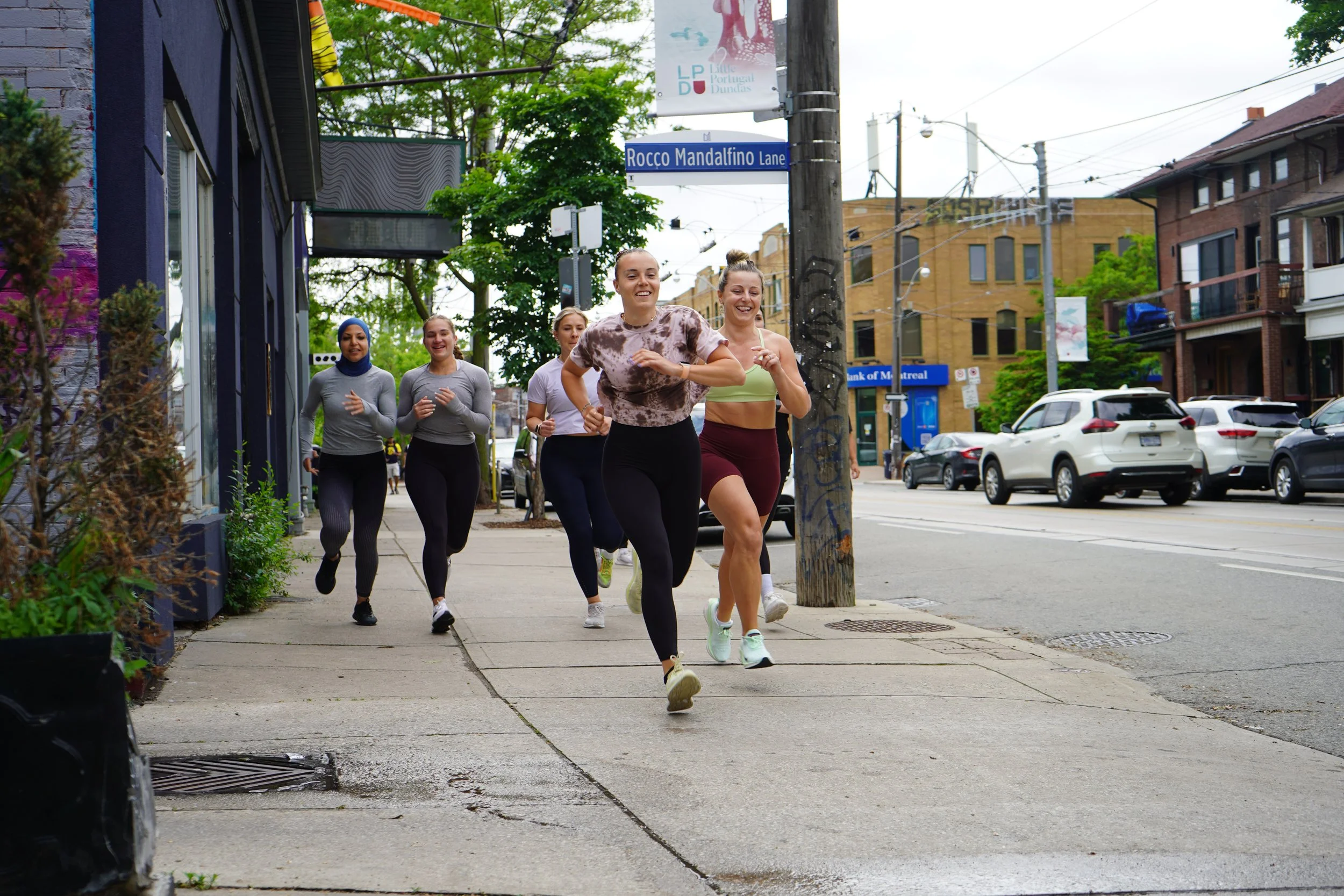

What You’ll Leave With
After your assessment, you’ll receive:
A clear explanation of your findings (no jargon)
Practical recommendations you can actually use
A personalized exercise or strength plan
Guidance on running volume, pacing, or return-to-run strategies
Shoe and training considerations tailored to you
Our goal is to answer the question runners care about most:
“What should I do next?”
Physiotherapy & Chiropractic Running Assessments
Both physiotherapists and chiropractors at Brockton Physiotherapy provide running assessments.
Each profession brings a slightly different lens, but both focus on:
Evidence-based movement analysis
Load management and injury prevention
Helping you stay active and doing what you love
If you’re unsure which provider is right for you, we’re happy to help guide your booking.
Why Brockton Physiotherapy?
Clinicians who work with runners regularly
Strength-based, movement-focused approach
No “cookie-cutter” fixes or forced gait changes
Emphasis on education, confidence, and long-term progress
We don’t just treat injuries, we help runners build resilient bodies.
Book a Running Assessment
If you’re running regularly—or want to start—this assessment can give you clarity, confidence, and direction.
👉 Book a Running Assessment
👉 Not sure where to start? Contact us and we’ll help